Introduction to the Fourteenth Amendment
By MOFreePress
The Fourteenth Amendment to the United States Constitution, ratified in 1868, emerged as a response to the tumultuous period following the Civil War. Its inception was deeply rooted in the need to address the profound changes in American society, particularly regarding issues of citizenship, civil rights, and the status of formerly enslaved individuals. As a result of the Union’s victory in the Civil War, there was an urgent need for a constitutional framework that would ensure these newly liberated individuals were recognized not just as free, but as full citizens with rights that would be protected under the law.
One of the primary purposes of the Fourteenth Amendment is to guarantee equal protection under the laws. This pivotal concept was aimed at dismantling the remnants of slavery and addressing the discriminatory practices that permeated society at that time. The amendment comprises several clauses, including the Citizenship Clause, the Due Process Clause, and the Equal Protection Clause, each serving to fortify the legal protections afforded to citizens.
The importance of the Fourteenth Amendment in American constitutional law cannot be overstated. It has played a critical role in landmark Supreme Court cases that have shaped civil rights over the years. Notably, it has been cited in cases concerning racial discrimination, marriage equality, and voting rights, underscoring its flexibility and applicability across various contexts. The amendment also set a precedent that states could not enact laws that undermine the rights of individuals, thus reinforcing the notion that the Constitution applies universally, transcending geographical and socioeconomic boundaries.
Through its various interpretations over the years, the Fourteenth Amendment has become a touchstone for advocates of civil rights and social justice, representing the ongoing struggle to ensure that all individuals enjoy equal rights and protections. Its legacy continues to inspire discourse surrounding American constitutional rights and the balance of governance.
Key Provisions of the Fourteenth Amendment
The Fourteenth Amendment, ratified in 1868, is a pivotal element of the United States Constitution, primarily designed to protect the rights of former slaves and ensure equality before the law. It encompasses several critical provisions, each aimed at safeguarding individual rights and promoting equality across the nation.
One of the most significant clauses in the Fourteenth Amendment is the Citizenship Clause, which grants citizenship to all individuals born or naturalized in the United States. This provision fundamentally transformed the legal landscape by affirming that citizenship cannot be denied based on race or social status. This clause has been crucial in addressing civil rights issues and continues to influence debates on immigration and national identity.
Another vital aspect of the Fourteenth Amendment is the Equal Protection Clause. This clause mandates that no state shall deny any person within its jurisdiction the equal protection of the laws. This ensures that individuals are treated equally without discrimination based on race, ethnicity, gender, or other characteristics. The Equal Protection Clause has underpinned landmark Supreme Court decisions that have eradicated segregation, supported voting rights, and advanced LGBTQ+ rights, illustrating its broad and lasting impact on American society.
Additionally, the Fourteenth Amendment establishes the Due Process Clause, which guarantees that no person shall be deprived of life, liberty, or property without due process of law. This clause encompasses both procedural and substantive due process, ensuring fair legal proceedings and protecting fundamental rights against arbitrary government actions. As such, the Due Process Clause has played a vital role in legal interpretations around personal freedoms, criminal justice, and social rights.
The provisions of the Fourteenth Amendment collectively reinforce the principles of individual rights and equality under the law, establishing a framework for protecting civil liberties that continues to resonate throughout contemporary legal discussions and reforms.
The Importance of the First Amendment
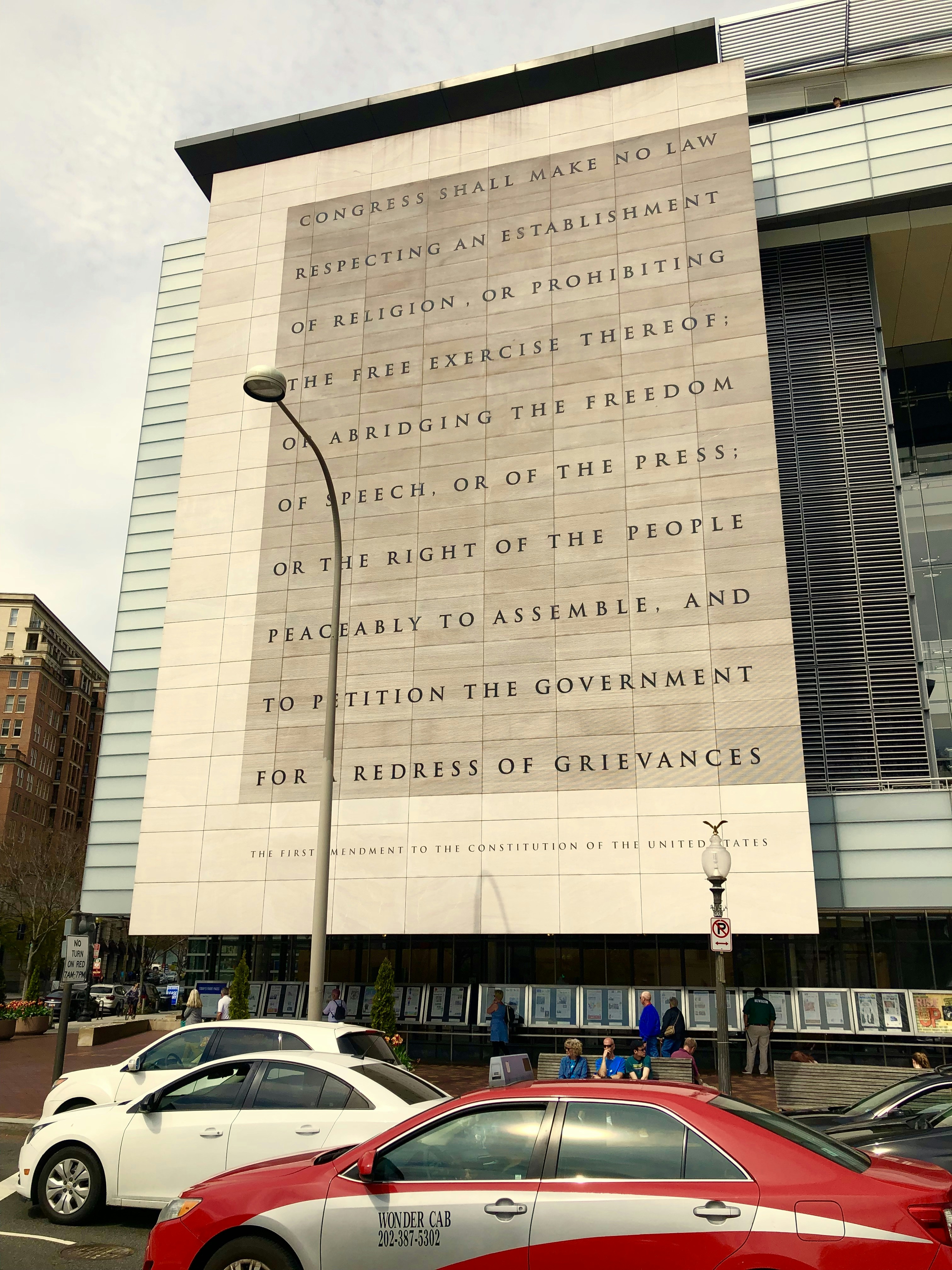
The First Amendment of the United States Constitution is foundational for the safeguarding of numerous essential rights inherent in a democratic society. These rights encompass the freedoms of speech, religion, press, assembly, and petition. Each of these components plays a pivotal role in promoting individual autonomy and ensuring a vibrant public discourse, which is critical for the health of any democracy.
Freedom of speech allows individuals to express their opinions without fear of reprisal, fostering an environment where diverse perspectives can be shared. This freedom serves not only as a fundamental personal right but also as a framework within which the public can challenge government actions. In the context of the Fourteenth Amendment, the protection afforded to speech enables citizens to advocate for equal rights and highlight injustices, further ensuring that everyone is treated fairly under the law.
Similarly, the freedom of religion in the First Amendment protects individuals from government interference in their spiritual practices. This right respects the diversity of beliefs and philosophies that exist within society while prohibiting any endorsement or coercion of certain religions over others. Such protections reinforce the principles enshrined in the Fourteenth Amendment, as they ensure equal respect for all individuals, regardless of their religious affiliations.
The freedom of the press is crucial in facilitating a transparent and informed society. A free press serves as a watchdog against governmental abuse, ensuring accountability and providing citizens with the information necessary for making informed decisions. This dynamic interacts with the Fourteenth Amendment’s provisions; when people access a diversity of information, they can better advocate for their rights and those of others.
Lastly, the rights to assembly and petition empower individuals to gather peacefully for collective action and to address grievances. These activities are essential in mobilizing public opinion and influencing legislation, thereby reinforcing democratic governance. As such, when individuals engage in peaceful protests or submit petitions, they exercise their First Amendment rights while bolstering the principles of equality and justice articulated in the Fourteenth Amendment.
The Importance of the Fourth Amendment
The Fourth Amendment of the United States Constitution plays a crucial role in protecting citizens from unwarranted intrusion by the government. It specifically prohibits unreasonable searches and seizures, thereby safeguarding the fundamental right to privacy. This protection is particularly significant in an era where personal data and private spaces are increasingly susceptible to invasion.
The scope of the Fourth Amendment extends beyond just physical searches of homes or personal belongings; it encompasses a variety of forms of surveillance, including digital data extraction. For instance, police investigations that rely on obtaining personal information from electronic devices must adhere to the Fourth Amendment principles. Any evidence collected without proper warrants may be deemed inadmissible in a court of law, underscoring the Amendment’s vital function in ensuring fairness in judicial proceedings.
Moreover, the Fourth Amendment serves as a foundational element when examining the nuances of the Fourteenth Amendment, which guarantees equal protection and due process. By upholding the standards of searches and seizures, the Fourth Amendment assists in preventing arbitrary government actions that could lead to violations of individual rights, particularly for marginalized communities. Its application continues to be relevant in legal discussions, particularly concerning law enforcement practices and the extent of governmental authority.
In essence, the Fourth Amendment not only protects the right to privacy and secures individuals’ properties but also reinforces the broader framework of constitutional protections envisaged in the Fourteenth Amendment. This interplay between the two amendments emphasizes the necessity of maintaining civil liberties in the face of evolving societal pressures and technological advancements.
The Importance of the Fifth Amendment
The Fifth Amendment of the United States Constitution is a crucial component of the Bill of Rights that provides individuals with significant legal protections. Primarily, the amendment encompasses two fundamental principles: the right against self-incrimination and the guarantee of due process. These protections are essential in upholding the rights of individuals in the face of governmental power, thereby preventing potential abuses.
The right against self-incrimination allows individuals to refuse to answer questions or provide information that could incriminate themselves in legal proceedings. This principle is a safeguard against coercive interrogation practices and promotes a fair legal process. By upholding the notion that individuals should not be compelled to testify against themselves, the Fifth Amendment fosters an environment where justice can be pursued without the taint of forced confessions or unreliable testimonies. This protection extends to all individuals in the United States, ensuring that both innocent and guilty parties can defend themselves without fear of self-incrimination.
Moreover, the Fifth Amendment’s guarantee of due process is integral to the American legal system. It mandates that all individuals are entitled to fair procedures and legal protections before they are deprived of life, liberty, or property. This principle is vital in establishing a balanced justice system where individuals are afforded the opportunity to contest legal actions against them, thereby maintaining the rule of law. The due process clause acts as a bulwark against arbitrary governmental actions and safeguards individual rights by ensuring transparency and accountability in legal proceedings. As such, the Fifth Amendment is not only a cornerstone of American democracy but also a critical mechanism for maintaining respect for individual rights.
How the First, Fourth, and Fifth Amendments Work Together
The First, Fourth, and Fifth Amendments of the United States Constitution play pivotal roles in safeguarding individual rights, and their relationship with the Fourteenth Amendment further reinforces the architecture of civil liberties in America. Understanding how these amendments interconnect illuminates the broader context of civil rights protection.
The First Amendment guarantees fundamental freedoms, such as the freedom of speech, religion, assembly, and the press. It establishes the foundation for robust civic engagement and discourse, and its provisions serve to protect individuals from governmental overreach. The essence of the First Amendment is fundamentally tied to the Fourteenth Amendment, which extends these rights to all citizens, preventing states from infringing upon them.
The Fourth Amendment safeguards against unreasonable searches and seizures, affirming the right to privacy. This amendment requires law enforcement to have probable cause and a warrant before engaging in searches, reinforcing the principle of individual autonomy. The implications of the Fourth Amendment are bolstered by the Fourteenth Amendment, which holds that states cannot deny these protections without due process. Together, they provide a strong shield against both arbitrary state and federal actions.
Complementing these, the Fifth Amendment ensures that individuals cannot be deprived of life, liberty, or property without due process of law. It further incorporates the right against self-incrimination and insists on the principle of just compensation for eminent domain. The interplay between the Fifth and Fourteenth Amendments reflects a commitment to procedural fairness and equitable treatment under the law, harboring an environment where civil rights can flourish.
In essence, the synergy of the First, Fourth, and Fifth Amendments, in conjunction with the Fourteenth Amendment, forms a comprehensive foundation for the protection of civil liberties. Together, they create a robust civil rights framework designed to prevent governmental abuse and to ensure justice for all individuals, enhancing the democratic fabric of the nation.
Real-Life Examples of Amendment Violations
The Fourteenth Amendment, which guarantees equal protection under the law, has been the foundation for numerous legal cases that highlight its violation. One notable instance is the Supreme Court case of Brown v. Board of Education (1954), which addressed racial segregation in public schools. The Court’s ruling established that separate educational facilities are inherently unequal, thereby violating the Fourteenth Amendment. This landmark decision not only overruled the “separate but equal” doctrine established in Plessy v. Ferguson (1896) but also set a significant precedent for subsequent cases addressing equality before the law.
Another pertinent example is the case of Roe v. Wade (1973), which revolves around a woman’s right to privacy under the due process clause of the Fourteenth Amendment. The ruling determined that the state cannot impose excessive restrictions on a woman’s decision to terminate her pregnancy. This case illustrates the intersection of the Fourteenth Amendment with individual rights and personal liberties, underscoring how constitutional protections can be critical when addressing contentious social issues.
In addition to these well-documented cases, violations of the Fourteenth Amendment often relate to issues of law enforcement practices that may infringe upon individual rights as guaranteed by the Fourth and Fifth Amendments. For instance, police actions that disproportionately target minority groups can lead to claims of discrimination and violation of equal protection rights. The case of United States v. Brignoni-Ponce (1975) exemplifies this concern, where the Supreme Court held that law enforcement officers must have reasonable suspicion based on racial profiling to stop individuals. This case highlighted the precarious balance between law enforcement duties and the protection of constitutional rights.
These examples illustrate that violations of the Fourteenth Amendment often encompass broader issues, intertwining with other constitutional protections. Understanding these real-life scenarios sheds light on the ongoing relevance of the Amendment in safeguarding individuals’ rights across the United States.
Strategies to Uphold Your Rights
Upholding your constitutional rights is essential in safeguarding personal liberties, especially under the protection of the Fourteenth Amendment. Individuals can employ several strategies influenced by the First, Fourth, and Fifth Amendments to prevent potential violations of their rights. The first step is to educate yourself thoroughly about these constitutional rights. Knowing what the law entails allows individuals to recognize when their rights may be infringed upon. For example, understanding the Fourth Amendment can help individuals be aware of their rights against unreasonable searches and seizures, equipping them to challenge unlawful actions effectively.
Next, it is advisable to remain calm and composed when encountering situations where rights might be violated. Reacting emotionally might escalate conflicts, potentially leading to further infringement of one’s rights. Instead, one should calmly assert their rights; this can include asking officers whether they possess a warrant during a search or clearly stating that they do not consent to searches or interrogations. Maintaining a respectful dialogue can defuse tension and help prevent undue complications.
Furthermore, documenting any incidents is crucial in protecting one’s rights. Keeping records of occurrences, including the names of law enforcement officers, time, location, and the details of the event, can serve as vital evidence should legal action become necessary. Recording interactions, when legal and safe, is another tool that can assist in illustrating one’s experience should violations occur.
Additionally, knowing when to seek legal counsel is fundamental. If you suspect that your rights have been violated, contacting an attorney well-versed in constitutional law is crucial. They can provide guidance tailored to your specific situation and help navigate potential legal remedies. This proactive approach not only aids in addressing your individual circumstances but also helps to contribute to broader efforts toward upholding the rights afforded by the Fourteenth Amendment.
Conclusion: The Enduring Impact of the Fourteenth Amendment
The Fourteenth Amendment, ratified in 1868, has played a pivotal role in shaping American democracy and civil rights. Its provisions regarding equal protection under the law and due process have empowered countless individuals to challenge injustices, thereby fostering a culture of accountability. The ramifications of the Fourteenth Amendment extend far beyond its historical context, impacting several facets of contemporary society.
Today, the enduring influence of the Fourteenth Amendment can be observed in various struggles for civil rights. Social movements advocating for equality—such as those striving for racial justice, gender equality, and LGBTQ+ rights—continue to find legal grounding in the Amendment’s essential guarantees. Activists draw upon its language to assert that all individuals deserve protection against discrimination, underscoring its lasting relevance in the fight for social justice. Furthermore, the Amendment’s connection to the First, Fourth, and Fifth Amendments emphasizes the importance of safeguarding individual liberties against governmental overreach.
The principles embedded in the Fourteenth Amendment not only resonate with historic struggles against systemic racism and inequality but also connect with ongoing debates regarding immigration, voting rights, and personal freedoms. As society evolves, so do the interpretations and implications of these constitutional rights, demonstrating the dynamic nature of law in the face of growing social awareness.
This continuous dialogue surrounding civil liberties highlights the necessity for vigilance and advocacy in protecting the rights afforded by both the Fourteenth Amendment and its related constitutional amendments. The commitment to uphold these rights is critical in ensuring that democracy remains vibrant and accessible for all citizens. Ultimately, the Fourteenth Amendment stands as a testament to the enduring quest for equality and justice, driving home the message that constitutional rights must be defended and celebrated in unison with every generation’s struggle for fairness.