The Essence of the First Amendment
By MOFreePress
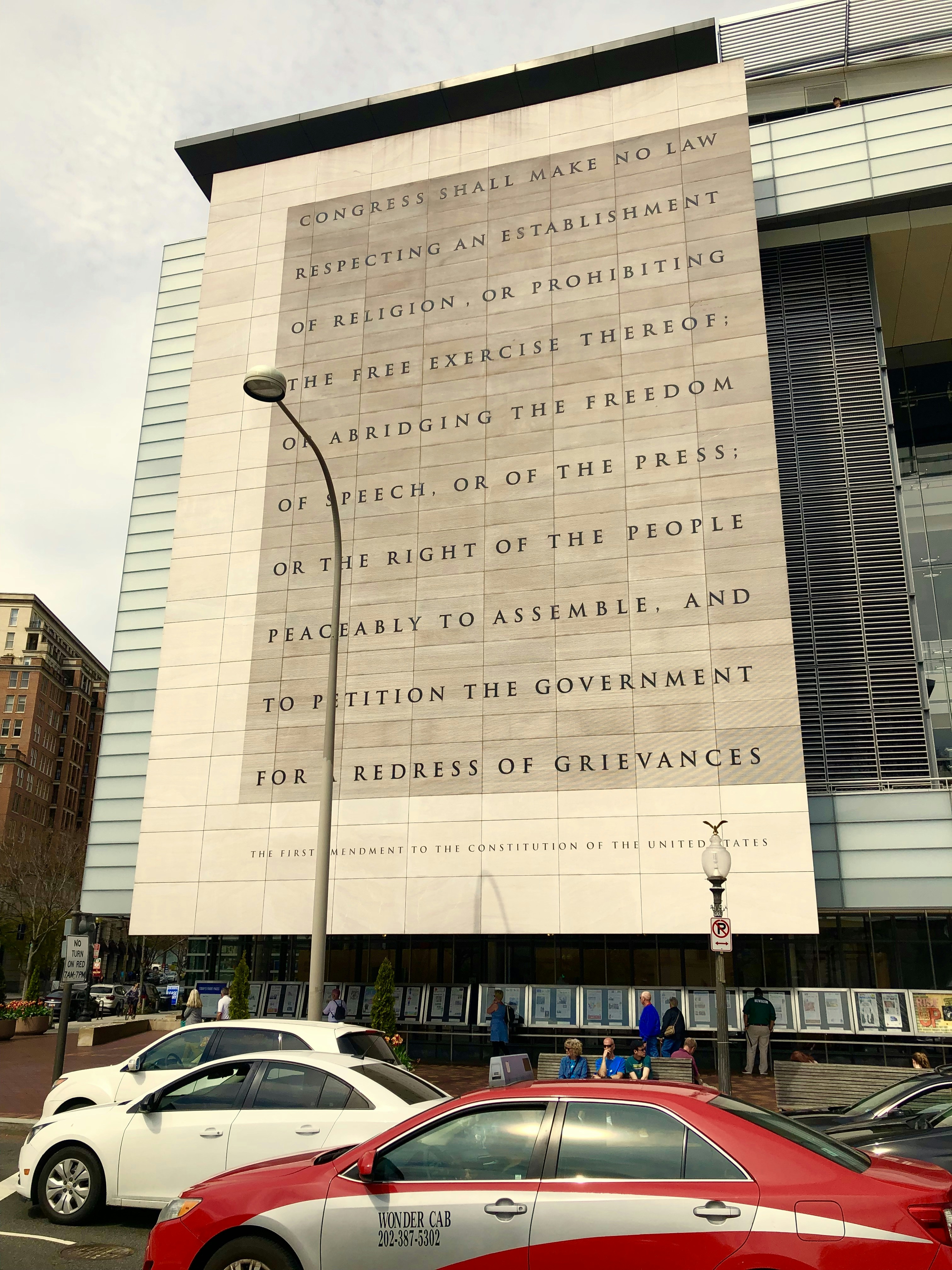
The First Amendment of the United States Constitution stands as a cornerstone of democracy, safeguarding a range of fundamental freedoms. While it is commonly associated with the right to free speech, its scope extends far beyond this singular concept. The First Amendment protects five key freedoms: speech, press, assembly, petition, and religion. Each of these components plays a crucial role in the facilitation of a free and open society, promoting the exchange of ideas and the expression of diverse viewpoints.
Freedom of speech allows individuals to articulate their thoughts and opinions without fear of censorship or punishment. However, it is crucial to recognize that this right does not exist in isolation. The freedom of the press empowers journalists to disseminate information and opinions, thereby ensuring that the public remains informed about matters of significance. Together, these rights foster a vibrant public discourse that is essential for the functioning of a democratic society.
Additionally, the rights to assemble peacefully and to petition the government are critical for civic engagement. They enable citizens to gather in support of shared beliefs and to advocate for change, thus offering a mechanism for the public to influence governmental policies. Meanwhile, freedom of religion ensures that individuals can practice their faith without interference, promoting a pluralistic society where diverse beliefs coexist and flourish.
Common misconceptions about free speech often arise regarding the extent of this right. Many believe it grants individuals absolute freedom to say anything, but in reality, various limitations exist, particularly when speech incites violence or constitutes hate speech. Understanding the nuances of the First Amendment is vital, as it encapsulates a broader ethos of protecting expression in all its forms, contributing to a robust democratic framework.
Forms of Expression Protected by the First Amendment
The First Amendment of the United States Constitution lays the foundation for a democratic society by safeguarding various forms of expression. This protection extends not only to spoken or written words but also encompasses a wide variety of non-verbal communication. One prominent example is video recording in public spaces, which has become increasingly relevant due to the rise of smartphones and social media platforms. Such recordings can serve as vital tools for accountability, particularly in interactions with public officials, including law enforcement. Individuals documenting events in public spaces are exercising their First Amendment rights, contributing significantly to public discourse.
Another significant form of expression safeguarded by the First Amendment is participation in peaceful protests. These gatherings allow individuals to express their views on matters of social justice, political change, or governmental policy. Whether one is participating in a peaceful march or gathering at a rally, the act of assembling and expressing dissent is a core tenet of First Amendment protection. This form of expression not only highlights societal issues but also fosters a culture of civic engagement where voices can be amplified and heard.
Furthermore, the right to express dissatisfaction towards authorities, including law enforcement, is also protected under the First Amendment. This expression can take various forms, including gestures, written complaints, or verbal criticisms. Provocative gestures or statements opposing governmental actions are essential aspects of the broader dialogue that shapes democratic governance. By allowing individuals to voice their concerns and frustrations, the First Amendment plays a pivotal role in promoting transparency and accountability within governmental structures.
Limitations and Responsibilities Under the First Amendment
The First Amendment of the United States Constitution is often heralded as a cornerstone of democratic society, primarily safeguarding the rights of free speech, religion, assembly, press, and petition. However, it is crucial to understand that these rights are not absolute; they come with limitations and responsibilities designed to protect both individuals and the collective societal framework.
One of the primary limitations to free speech is the prohibition of incitement to violence. Despite the inherent value of open discourse, any speech that is intended to incite imminent lawless action is not protected under the First Amendment. For example, speeches that evoke a crowd to riot or harm others could lead to serious legal repercussions for the speaker, highlighting the balance between free expression and public safety.
Another significant boundary involves defamation, consisting of slander and libel. Slander refers to defamatory statements made in spoken form, while libel pertains to written or published statements. To succeed in a defamation claim, the aggrieved party must demonstrate that false statements were made about them that caused harm to their reputation. This is particularly pertinent when discussing public figures or law enforcement officials, as they must often prove actual malice on the part of the speaker. Failure to adhere to these principles can lead to costly legal action for individuals who engage in reckless speech.
Threats also fall outside of First Amendment protections. Making specific threats of violence can lead to criminal charges, as such communications can create a genuine fear of harm. The legal system’s stipulations regarding these limitations are necessary to ensure that freedom of expression is exercised responsibly and does not infringe upon the rights and safety of others.
The Importance of Understanding Your Rights
In today’s society, the significance of understanding your rights, particularly those encapsulated in the First Amendment, cannot be overstated. This constitutional provision, while widely recognized for its guarantee of free speech, encompasses various fundamental rights that contribute to the fabric of democratic society. Knowing these rights is essential for individuals and communities, especially in the context of heightened public discourse surrounding issues such as protests, social justice movements, and encounters with law enforcement.
Understanding the First Amendment empowers citizens to engage meaningfully in discussions about critical societal issues. It equips them with the tools necessary to not only express their opinions but also to do so without fear of repression. In situations where freedoms of speech, religion, assembly, and press are challenged, awareness of the First Amendment can serve as a safeguard against unjust treatment. Awareness leads to informed responses and encourages individuals to hold public entities accountable.
Moreover, as individuals advocate for their rights, it is vital to approach such advocacy responsibly. Engaging in constructive dialogue and understanding the legal frameworks that govern expression fosters a healthier discourse within the community. This knowledge can help individuals navigate the complexities of legal rights in various situations, making them less vulnerable during interactions with law enforcement or in the heat of protest environments.
The implications of understanding the First Amendment extend beyond the individual; they resonate within the community as a whole. As citizens advocate effectively and responsibly, they contribute to a more informed society that values open dialogue and constructive exchanges. This, in turn, encourages the development of a more equitable society where diverse viewpoints are respected and acknowledged.